
Impact
A business deserves more than a link in a bio
What She Builds Uganda taught us about giving women-owned businesses a clear, useful home online—and why visibility starts with the basics.
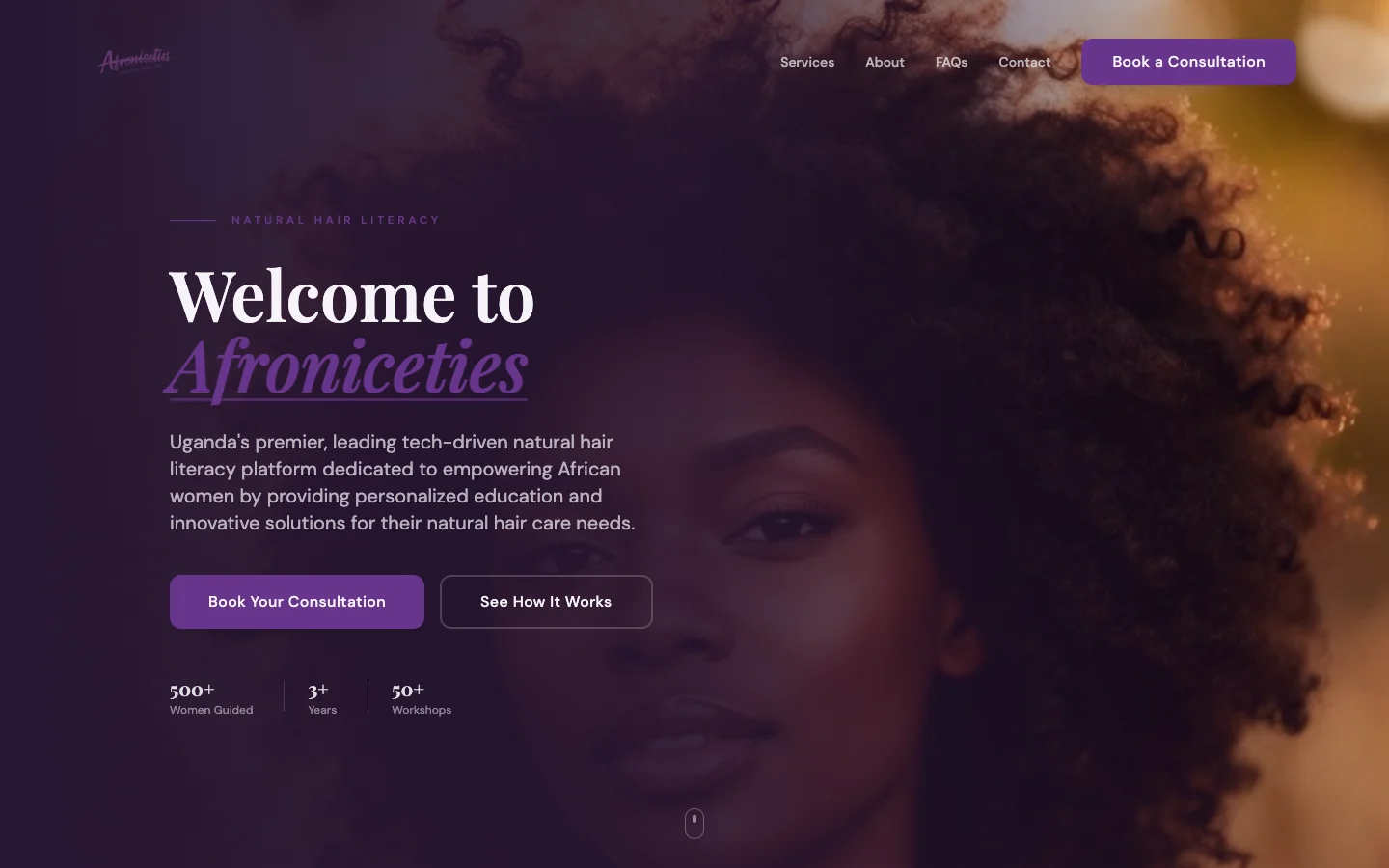
A place to understand the business
A social post can introduce a business. A conversation can answer a question. But a prospective customer still needs somewhere to understand the whole offer: what the business does, who it serves, what the work looks like and how to take the next step.
A website does not create demand by itself. It can, however, remove avoidable uncertainty.
That is the practical idea behind She Builds Uganda, Embiro’s campaign to build professional websites for women-owned businesses. The work is about giving each business a place it can point people to, with its own identity and a clear path from interest to contact.
A website does not create demand by itself. It can, however, remove avoidable uncertainty. Someone who arrives from a referral should not have to scroll through months of posts to discover what is available or how to get in touch.
Start with the questions a customer asks
Our showcase brings together businesses with different audiences and offers. Treating every one of them as the same catalogue would miss what makes them worth visiting. The useful starting point is the customer’s next question.
For a service business, examples of work and an explanation of the process may do more than a long company introduction. For a product business, the range, product images and enquiry route deserve attention early. For a community organisation, the purpose and ways to participate need to be easy to find.
Those are editorial choices before they are layout choices. A polished page cannot compensate for an offer that is difficult to understand. Good design gives the important information enough space and makes the next action visible.
- Explain the offer in language a customer would use.
- Show something concrete: work, products, people or a place.
- Make the contact route easy to find on a phone.
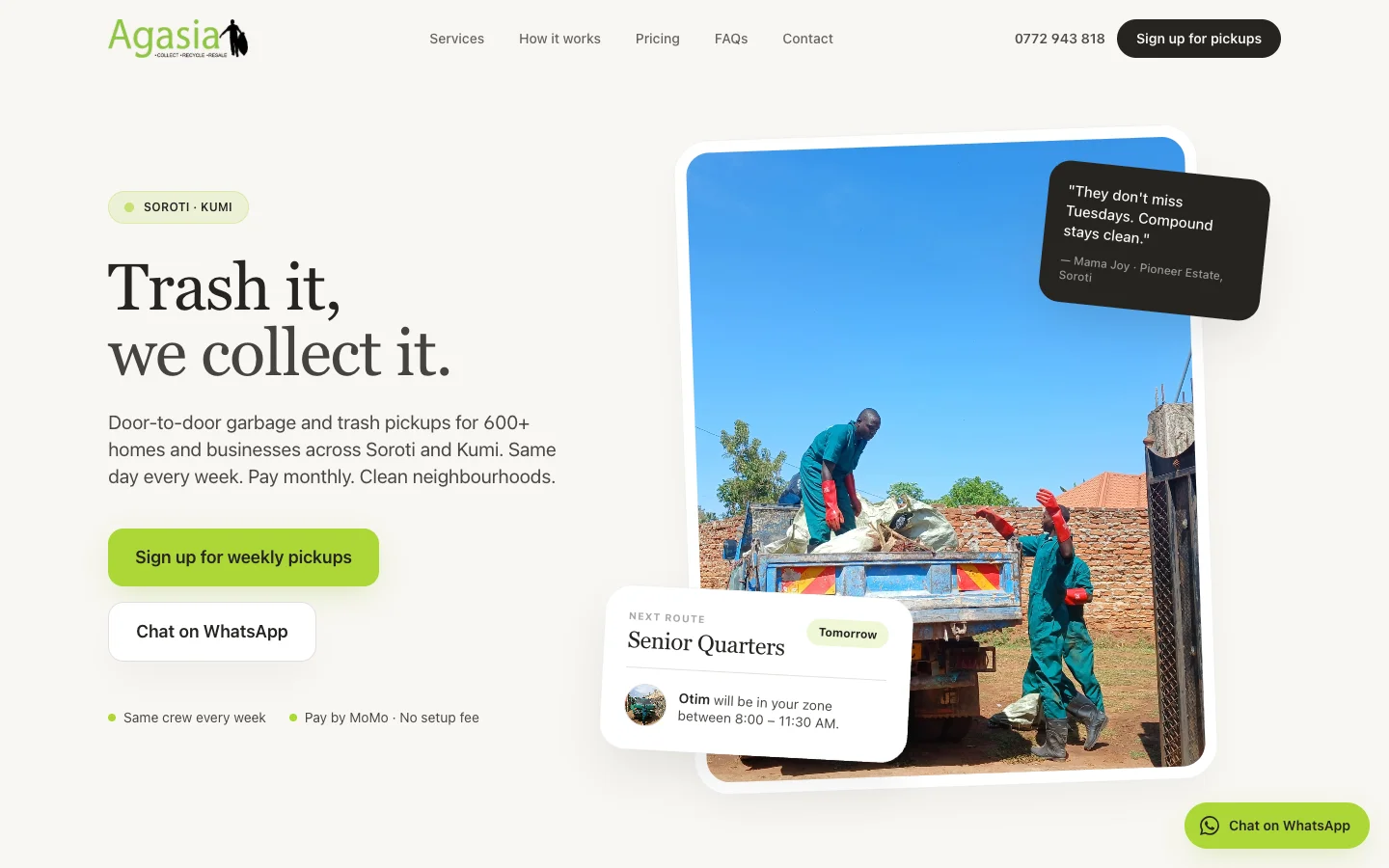
The showcase should work as reliably as the sites
There is a second part to this story: how we present the work. Our She Builds portfolio originally depended on remote website previews. When some of those previews failed, a working business website could appear as a missing image in our own showcase.
We replaced that dependency with stored homepage screenshots. Visitors can now see a captured view of the design before opening the business’s website. The screenshot is a record of the work, while the separate visit link leads to the current site.
That distinction matters. A captured image is not a live feed and will need refreshing as a business changes. But a portfolio should not lose its visual evidence because an unrelated preview service stops responding. Keeping the image with our own site makes that part of the experience more predictable.
Launch is a starting point
A useful business website needs attention after its first publication. Offers change. Contact details change. New work deserves to be added. Keeping those essentials current is more valuable than adding features nobody needs.
The lesson we take from She Builds is a practical one: digital opportunity starts with a clear, usable introduction. Give the business its own space, make the information useful and leave people with a next step they can actually take.